Medable, a leading technology platform for agentic AI clinical development, has announced the impact of its Total Consent solution in a US women’s health study on menopause managed by ICON plc.
Beating expectations, more than 85% of trial participants, or 1,044 out of 1,222, consented using Medable’s enhanced eConsent technology. And, 18 sites achieved 100% eConsent adoption among participants, while the top-enrolling site achieved 91% adoption.
With Medable, ICON aims to expand its use of advanced clinical trial technologies, reflecting broader momentum across the clinical research ecosystem, including the FDA, toward more real-time and technology-enabled trials.
With a protocol requiring regular assessments across 13 points, ICON’s menopause study demanded high participant and site engagement from the outset. Medable’s Total Consent proved instrumental in engagement with improved participant communication. Study-specific training plus hands-on concierge support to sites helped enable a frictionless experience. The strategy yielded significant success in both participant and site-level adoption of consent, laying the groundwork for increased patient adherence to the complex protocol requirements.
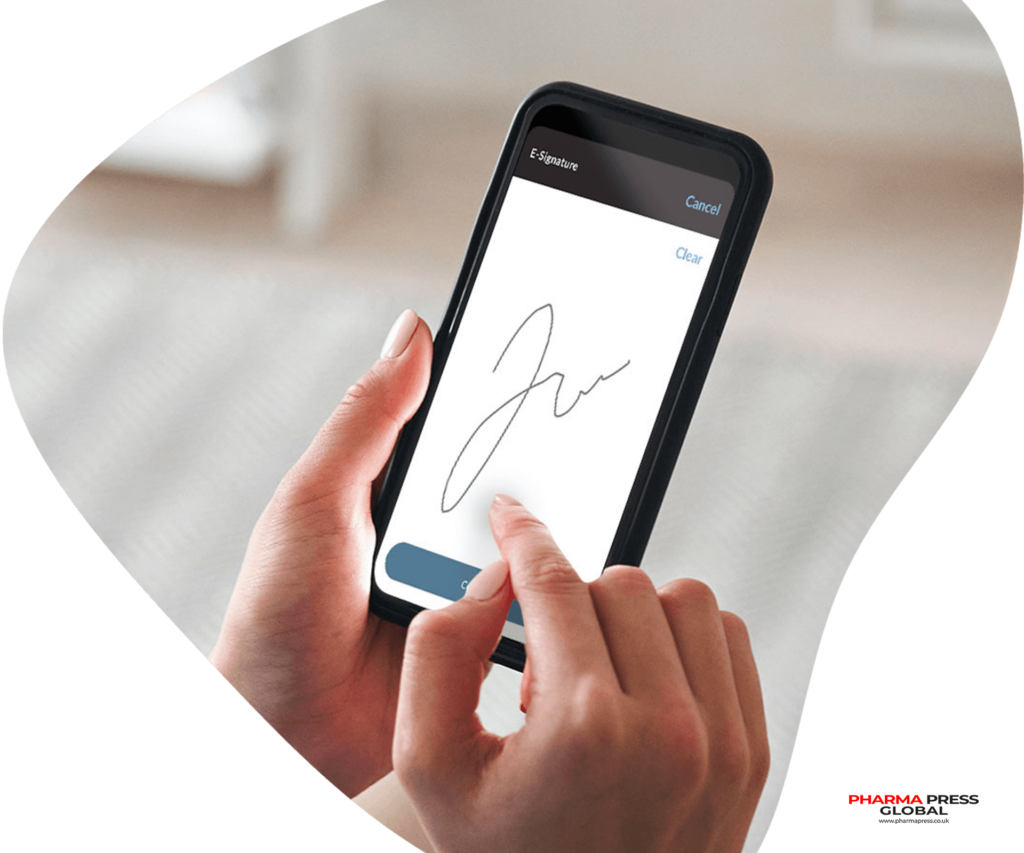
Medable Total Consent allows participants to consent onsite or remotely, with eSignature or wet ink signature, increasing patient satisfaction by providing optionality. It can be quickly tailored for use across over 115 locales in compliance with local regulatory requirements. Most recently, Medable introduced Intelligent Consent, providing AI-powered bulk processing and AI-assisted digital consent build tools that leverage native PDFs. The product’s unified workflow reduces deployment time from five-14 days to less than three days.
The successful ICON study results provide real-world context for an eConsent study by Medable and Duke BASE labs that compared Total Consent against text-only eConsent across 24 patients and found 71% of patients preferred the enhanced solution, saying it made the process more engaging, informative and humanised. Another study of the consenting process of 35 clinical trials (representing 13,200+ participants) found patients using eConsent versus paper had a better understanding of the trial information.