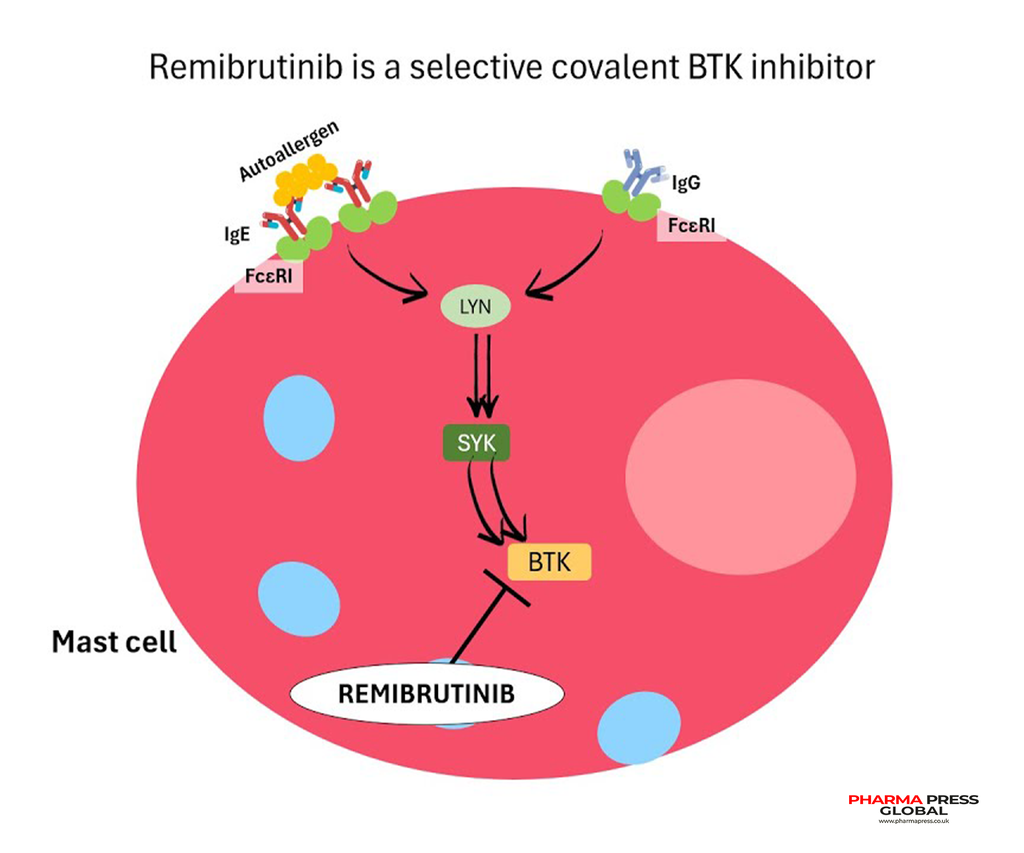
Novartis has announced 52-week results from the phase 3 RemIND programme evaluating Rhapsido (remibrutinib) in chronic inducible urticaria (CIndU).
In the long-term analysis from the RemIND study, Rhapsido 25 mg twice daily showed early and sustained efficacy through week 52 in patients across the three most prevalent CIndU subtypes: symptomatic dermographism (SD), cold urticaria (ColdU) and cholinergic urticaria (CholU).
RemIND is the largest phase 3 clinical programme conducted in CIndU. Patients initially randomised to Rhapsido showed sustained efficacy through Week 52, with symptom improvements maintained throughout the treatment period.
After patients initially randomised to placebo switched to Rhapsido at Week 24, their response rates at week 52 were similar to those observed in patients initially randomised to Rhapsido.
Complete or partial response rates on subtype-specific provocation tests were 41.8% with Rhapsido versus 19.2% with placebo in SD and 67.4% versus 28.9% in ColdU at week 1, and 65.2% versus 45.6% in CholU at week two. At week 52, complete or partial response rates were 46.8%, 83.3% and 58.2% in patients initially randomised to Rhapsido and 47.7%, 88.9% and 69.8% in patients who switched from placebo to Rhapsido at week 24 in the SD, ColdU and CholU cohorts, respectively.
The 52-week RemIND results extend the safety evidence for Rhapsido in CIndU. Its safety profile through 52 weeks was consistent with previous studies and established experience in CSU.