Stevanato Group, a leading global provider of drug containment, drug delivery and diagnostic solutions to the pharmaceutical, biotechnology and life sciences industries, has announced a collaboration with Aptar Pharma to provide system-level data supporting earlier evaluation of pre-filled syringe configurations for biotech and pharmaceutical companies, with a focus on sensitive biologics and other injectable therapies.
The work builds on Aptar Pharma’s integrated system-level framework, launched in July 2026, and brings complementary expertise together across the injectable value chain.
As biologics, high-concentration formulations, and combination products continue to increase in complexity, pharma companies face growing challenges in evaluating container and closure components that perform effectively together as assembled systems. Early system-level assessments can help pharma customers identify potential sensitivities sooner and inform subsequent development decisions.
The collaboration combines Aptar Pharma’s expertise in elastomeric components with Stevanato Group’s expertise in prefillable high-value syringe systems, primary containment and system performance.
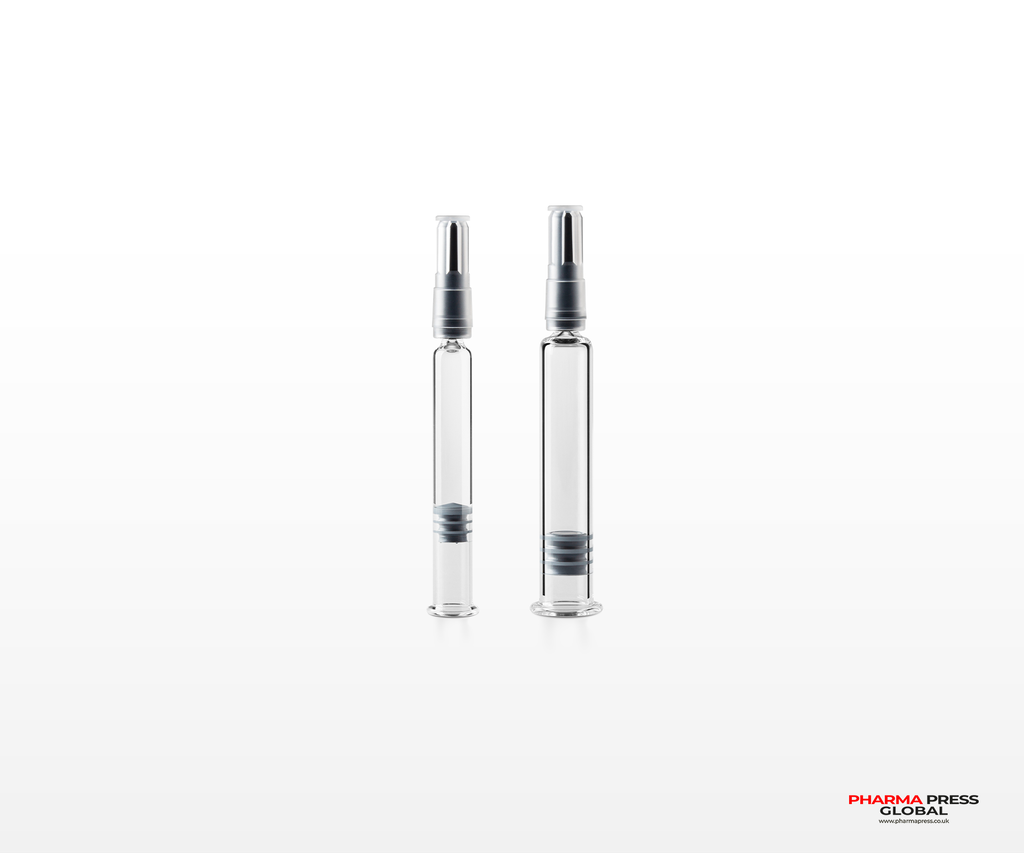
The joint work evaluates Stevanato Group’s EZ-fill Nexa and Alba glass syringe platforms together with Aptar Pharma PremiumCoat and uncoated plungers, as well as Aptar Pharma rigid needle shield options for standard and autoinjector configurations.
By assessing these components as assembled systems, using an approach designed to support customers in meeting USP <382> requirements, the companies aim to give drug manufacturers’ development teams earlier visibility into viable packaging configurations, enabling more informed decisions and helping teams identify potential technical challenges earlier in development.
Current activities cover 1 mL long and 2.25 mL syringe formats and examine system performance to generate data designed to support customers in meeting USP <382> requirements.
Evaluations include rigid needle shield pull-off force, plunger break-loose and extrusion forces, container closure integrity and plunger seal integrity across selected configurations and viscosity profiles.
The work also explores how variables such as needle geometry can influence break-loose and extrusion forces, helping biotech developers narrow technical options earlier. Data packages and regulatory support services are available to help drug manufacturers throughout the product lifecycle.