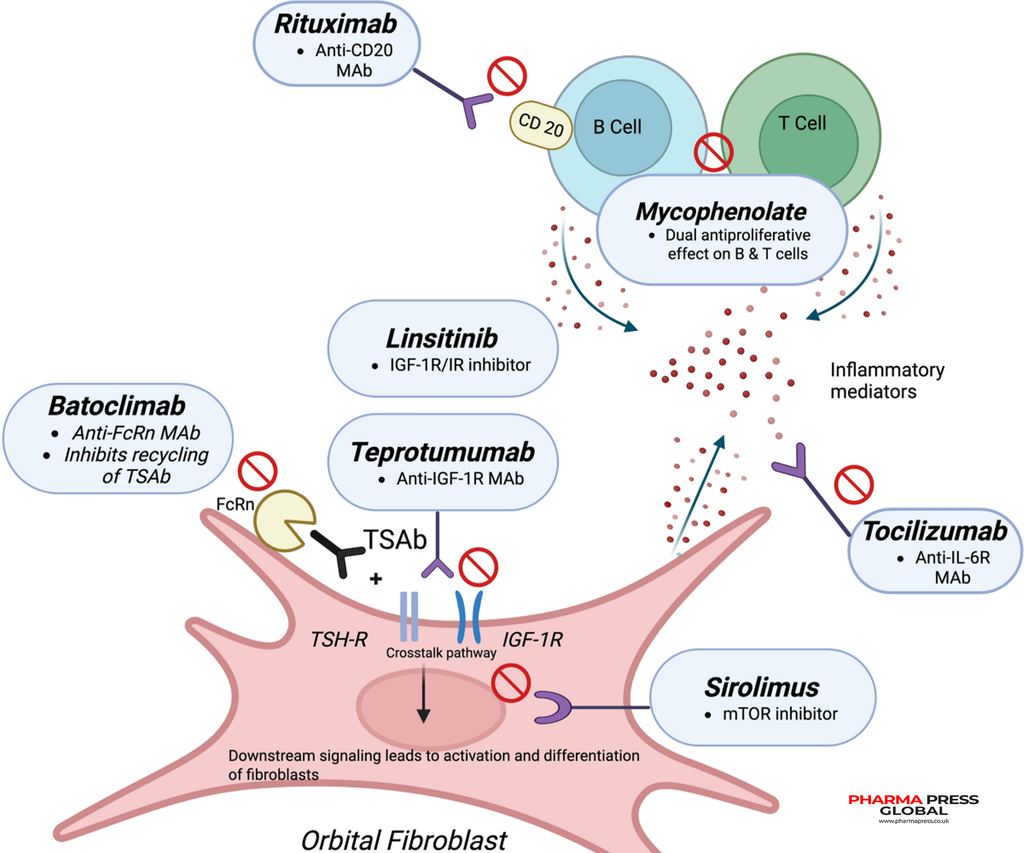
The National Medical Products Administration (NMPA) of China has approved the Biologics License Application (BLA) for Harbour BioMed’s batoclimab injection (subcutaneous injection) (batoclimab SC), 170 mg (1 mL)/vial, for the treatment of generalised myasthenia gravis (gMG) in adult patients who are anti-acetylcholine receptor (AChR) antibody positive.
The approval is supported by positive results from a pivotal phase 3 clinical study conducted at 27 centres in China.
The main study population was patients with generalised myasthenia gravis who were positive for acetylcholine receptor antibodies (AChR-Ab) or muscle-specific tyrosine kinase antibodies (MuSK-Ab).
The primary endpoint of the study was the proportion of the population with sustained improvement in the myasthenia gravis activities of daily living scale (MG-ADL) score during the first cycle of treatment.
Sustained improvement was defined as a reduction in MG-ADL score of ≥3 points from baseline that persisted for at least four weeks. 58.2% of patients treated with batoclimab SC achieved the primary endpoint, which was significantly higher compared with 31.3% in the placebo group (P=0.001). Treatment effect was observed as early as the second week of therapy.
Additionally, batoclimab SC group demonstrated significant improvements in secondary endpoints compared with placebo group, including sustained Quantitative Myasthenia Gravis (QMG) improvement (64.2% vs 40.6%; P=0.008), duration of 3-point or greater MG-ADL improvement (51.5% vs 36.1%; P=0.008); proportion of people with clinical expression of minimal symptoms (defined as having a MG-ADL score of 0 or 1) at any visit (25.4% vs 4.7%; P=0.004), and sustained MG-ADL improvement in the second treatment cycle (62.7% vs 36.4%; P=0.002).
Batoclimab SC was generally well tolerated. The most frequently reported adverse event in the treatment group is peripheral oedema (38.8% vs 4.6% for placebo), all of which were mild to moderate in severity. Plasma albumin levels decreased during treatment but returned spontaneously upon treatment discontinuation.