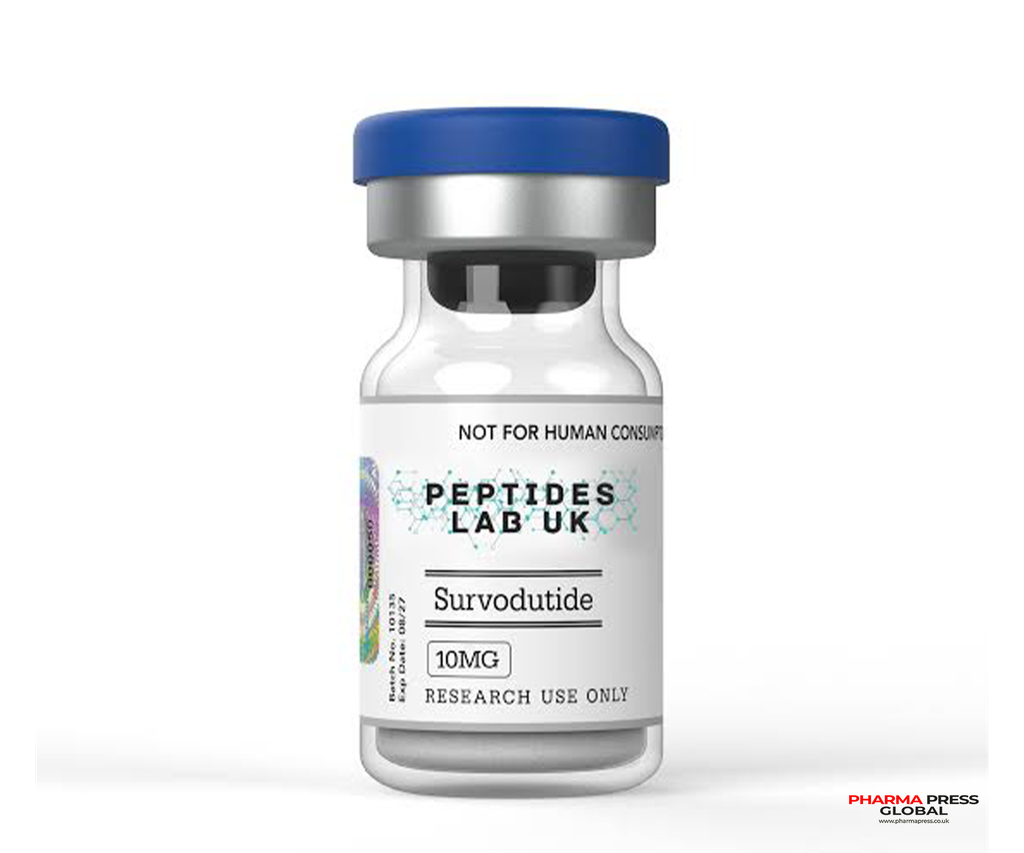
Boehringer Ingelheim has announced positive results from a phase 3 trial, which investigates the glucagon/GLP-1 receptor dual agonist survodutide (BI 456906) in adults living with obesity or overweight and type 2 diabetes (T2D).
The trial met its co-primary endpoints, which were % change in body weight from baseline and body weight reduction of ≥5% from baseline, using both the treatment-regimen and efficacy estimands.
After 76 weeks of treatment with survodutide, sustained weight loss of up to an average of 13.1% was seen using the efficacy estimand, a statistically significant decrease versus 3.1% in the placebo arm (p<0.0001).
The trial also met its other co-primary endpoint, with up to 79.3% of adults treated with survodutide achieving a body weight reduction of ≥5%, using the efficacy estimand, versus 32.7% in the placebo arm (p<0.0001).
Beyond weight loss, key secondary endpoint results showed that adults treated with survodutide experienced improvements in important cardiometabolic health markers. This included a significant improvement in blood sugar control, with participants experiencing a reduction of up to 1.21% in HbA1c using the efficacy estimand, compared with a 0.03% reduction in the placebo arm (p<0.0001) from 7.4% HbA1c at baseline.
Additionally, those receiving survodutide showed significant reductions in waist circumference – a clinical marker closely linked to visceral fat and cardiometabolic risk, of 11.1 cm using the efficacy estimand versus a reduction of 3.5 cm in the placebo arm (p<0.0001).
Insulin sensitivity was also seen to improve, evidenced by reduction in fasting glucose and favorable changes in insulin resistance (HOMA-IR) and insulin secretion (HOMA-β) versus placebo. More people on survodutide reverted to normoglycemia (HbA1c<5.7%) during their treatment period than on placebo (up to 29.5% vs 4.0% on placebo, efficacy estimand).
Together, these findings demonstrate the potential of glucagon/GLP-1 dual agonism to improve metabolic health, including glycemic control, in people living with obesity and T2D.