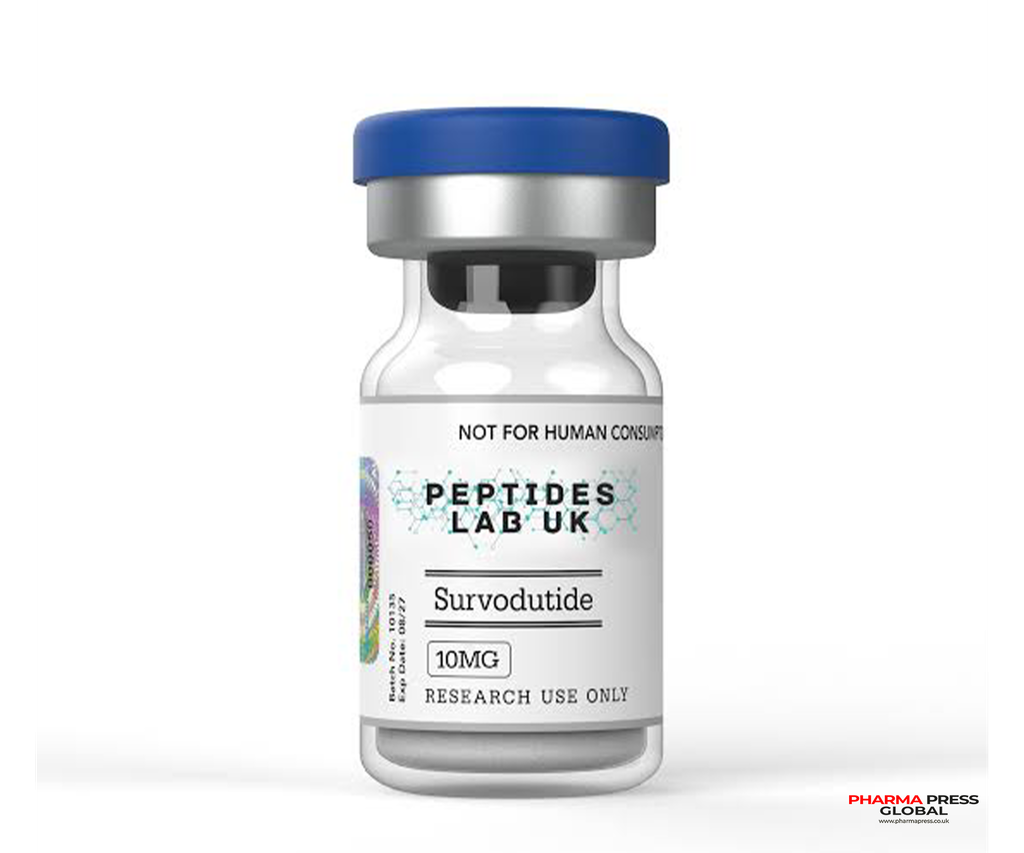
Boehringer Ingelheim has announced positive results from the phase 3 trial, the first and only global cardiovascular safety trial of a glucagon/GLP-1 dual agonist to date.
The trial met its primary endpoint using both the treatment-regimen and supplementary secondary estimands.
The trial demonstrated that survodutide (BI 456906) did not increase the risk of major adverse cardiovascular events (5P-MACE: cardiovascular death, non-fatal MI, non-fatal stroke, coronary revascularisation, or heart failure events) compared to placebo (HR 0.89 [95% CI: 0.67-1.18]; p<0.0001 for non-inferiority using the treatment-regimen estimand) in adults living with obesity or overweight with established cardiovascular disease (CVD), chronic kidney disease, and/or at least two weight-related complications or risk factors for CVD.
Obesity is a chronic, complex metabolic disease with impacts extending far beyond the scale.3 Obesity is closely linked to metabolic dysfunction, increased cardiometabolic risk and with that to overall metabolic health.
Key secondary endpoint results showed that survodutide did not increase the risk of cardiovascular death, non-fatal stroke or non-fatal MI (3P-MACE) compared to placebo (HR 0.84 [95%CI: 0.60-1.18]; p<0.0001 for non-inferiority using the treatment -regimen estimand).
Additional key secondary endpoints showed survodutide improved several cardiometabolic health markers. A reduction in systolic blood pressure by up to 6.68 mmHg was seen using the supplementary secondary estimand compared with 1.76 mmHg in those receiving placebo (P= 0.0001), at 72 weeks.
Cardiovascular disease represents a leading cause of mortality and morbidity in people living with obesity. For those receiving survodutide, a reduction in waist circumference of up to 11.96 cm was seen using the supplementary secondary estimand vs 2.74 cm with placebo.
This reduction of waist circumference serves as a clinical marker closely linked to visceral fat and cardiometabolic risk.5 Secondary endpoint results showed survodutide delivered meaningful weight loss of up to 13.7% at week 72 using the supplementary secondary estimand in a population at elevated cardiovascular risk including individuals with T2D versus 2.0% in the placebo arm.
Significant reductions were seen in additional metabolic health biomarkers such as the inflammatory marker high sensitivity C-reactive protein (hs-CRP) and triglycerides versus placebo, that are predictors of cardiovascular risk.
Together, these findings demonstrate improvements across several dimensions of cardiometabolic health while establishing cardiovascular safety consistent with placebo.