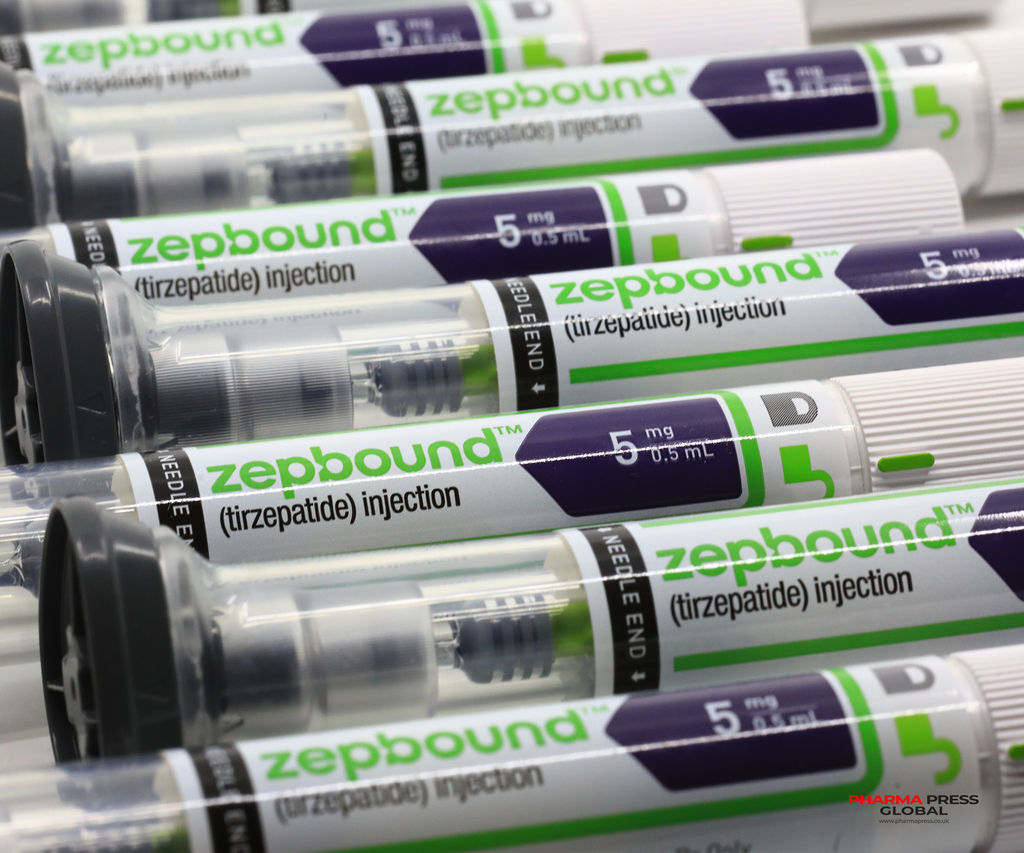
Eli Lilly and Company has announced new exploratory data from a phase 3b clinical trial evaluating the concomitant use of Taltz (ixekizumab) and Zepbound (tirzepatide) compared with Taltz alone in adults with moderate-to-severe plaque psoriasis and obesity or overweight with at least one additional weight-related comorbid condition.
The prespecified analysis, presented at the 2026 Fall Clinical Dermatology Conference in Las Vegas, provides new insights suggesting an immunometabolic relationship between psoriasis and obesity.
These data showed that when Taltz and Zepbound were used together, changes were observed in more psoriasis disease-associated and metabolic biomarkers compared to Taltz monotherapy. In the US, approximately 61% of people with psoriasis also have obesity or overweight with at least one weight-related comorbidity.1
This analysis examined circulating proteins and gene expression in the blood to better understand the biological change observed when patients were treated concomitantly with Taltz and Zepbound versus Taltz alone.
At week 36, observed changes in psoriasis-specific, immune and metabolic biomarkers in both the Taltz and Zepbound and Taltz monotherapy treatment arms were consistent with the known biological effects of each medicine when used for their approved indications.
Notably, Taltz and Zepbound used together were associated with broader biomarker responses compared to Taltz alone as early as week 12. This included changes in more proteins (482 versus 140 differentially expressed proteins) and genes (467 versus 16 differentially expressed genes) by week 36.
Further, the analysis showed greater reductions in inflammatory immune activity with Taltz and Zepbound compared with Taltz alone, including changes related to neutrophils, a type of immune cell involved in inflammation.
Changes in a subset of neutrophil-associated markers mediated a portion of the additional Psoriasis Area and Severity Index (PASI) response seen with Taltz and Zepbound versus Taltz alone.