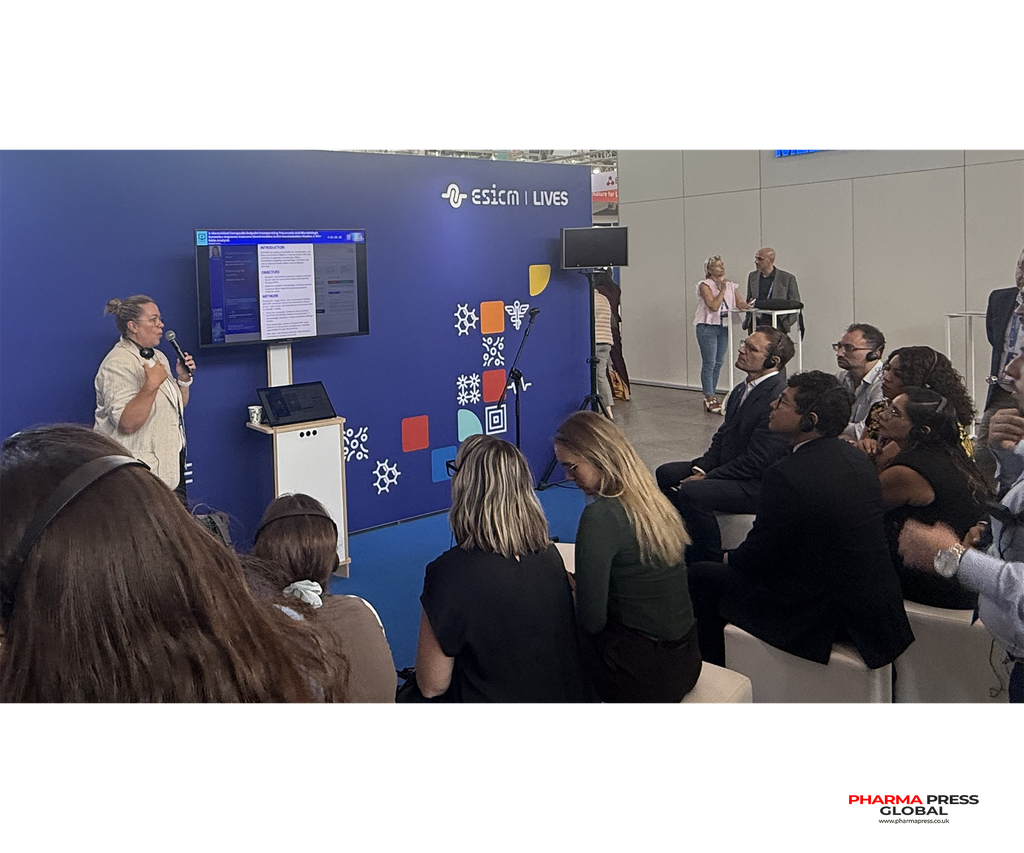
Dr Elizabeth Rohrs PhD, RRT, principal investigator at Royal Columbian Hospital (RCH) and RCH Foundation Research Director, recently presented findings from the SMURF (Suppression of Microbial Burden to Reduce Pneumonia in Critical Illness) Feasibility Pilot Study at the European Society of Intensive Care Medicine (ESICM) congress in Lisbon.
The pilot study observed a 39.5% reduction in pneumonia rates following the introduction of nasal photodisinfection, highlighting a potential new approach to infection prevention in critically ill patients. Pneumonia rates decreased from 14.9 to 9.0 cases per 1,000 ICU patient-days.
Although the pilot, which was published in the peer-reviewed journal Critical Care, was not powered to establish a statistically significant reduction in pneumonia, it demonstrated a statistically significant reduction in nasal microbial burden and reported no intervention-related adverse events. The findings support further investigation in a larger multicentre randomised trial.
While this was the first deployment of nasal photodisinfection therapy in an ICU setting, it is already being used in hospitals across Canada and the UK before surgery to reduce the risk of surgical site infections.
The findings suggest that reducing microbial burden in the nose—a potential reservoir of respiratory pathogens—could help lower the risk of pneumonia, including ventilator-associated pneumonia and hospital-acquired pneumonia. Further trials are needed to confirm the clinical benefit.
The ESICM presentation explores its potential application in intensive care, where nasal photodisinfection could offer an additional approach to pneumonia prevention and play a significant role in the prevention of infections in ICUs.