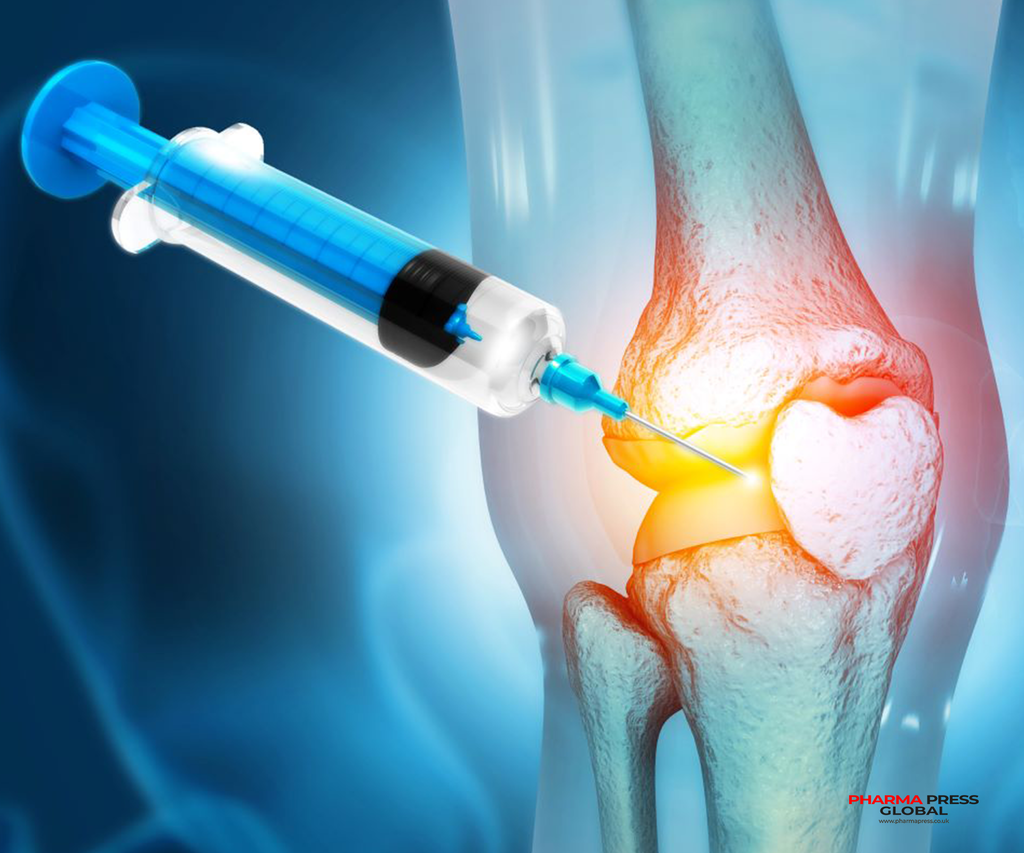
Allegro NV, a biomedical company developing a transformative nanotechnology treatment for osteoarthritis, has announced statistically significant improvements in pain and function endpoints over six months from an ongoing clinical study with Hydrocelin in 30 patients with knee osteoarthritis.
Hydrocelin is a first-in-class nanotechnology designed to restore the shock-absorbing properties of the joint.
Unlike conventional injectable products, which primarily provide lubrication or temporary symptom relief, Hydrocelin has been developed to address the loss of the joint’s natural protective mechanics, one of the key causes of osteoarthritis.
In the clinical study, patients were measured on the 100-point KOOS (Knee injury and Osteoarthritis Outcome Score) grading, which surveys factors such as pain, daily living, sport and quality of life.
Patients receiving a single injection showed a median improvement of 21.7 points after four weeks.
A difference of eight-10 points is generally accepted as clinically meaningful. Clinical outcomes continued to improve during follow-up, reaching 31.1 points after 12 weeks and 35.7 points after six months.
All improvements were statistically significant compared to baseline measures. Investigators also reported a rapid onset of response, with most patients experiencing meaningful improvement within the first week following treatment. Only one minor adverse event (pain at the injection site) was reported which resolved naturally within 24 hours.
Separately, the last patient was treated in Allegro’s European feasibility trial with Hydrocelin in 20 patients with osteoarthritis of the knee.
The primary endpoint in this open-label study across three centres in Belgium is safety and tolerability at 13 weeks, and patients will be monitored for a total of 12 months, with efficacy evaluated as a secondary endpoint.
Topline results from this study, available in second half of 2026, will provide input into the design of a future global registrational study.
Faster than expected recruitment of the Belgian study, which took just two months, highlights the clinical investigators’ interest in Hydrocelin and the significant unmet need for new treatment options for patients with knee osteoarthritis.