BridgeBio Pharma has presented new analyses from the phase 3 study of Attruby (acoramidis) in transthyretin amyloid cardiomyopathy (ATTR-CM), including the cardiac magnetic resonance imaging (CMR) substudy and the open-label extension (OLE) at the European Society of Cardiology (ESC) Congress 2026.
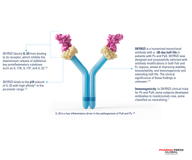
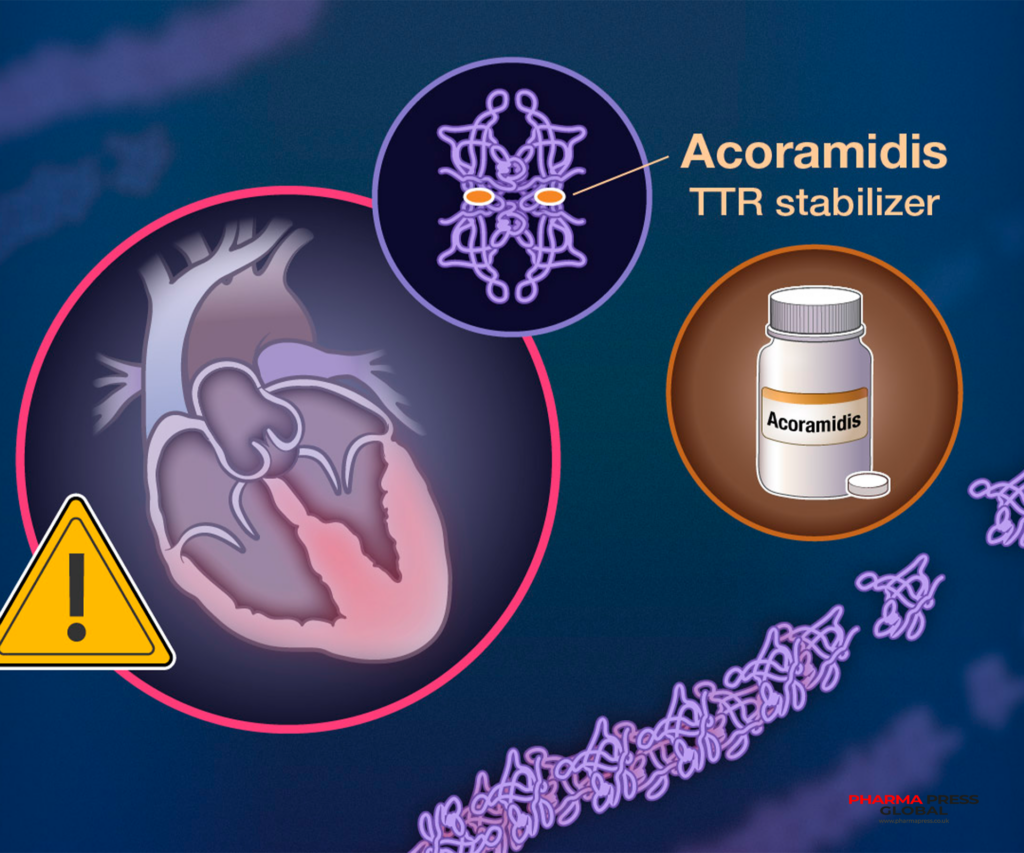
Acoramidis is the only selective small molecule, orally administered, near-complete (≥90%) transthyretin (TTR) stabiliser.
The CMR substudy of ATTRibute-CM and its open-label extension provide the first evidence from serial CMR that a therapy can potentially reverse disease progression through Month 42. The findings presented by Awais Sheikh, MBChB of the National Amyloidosis Centre, London, UK were evaluated using two complementary analytical approaches, which found:
In a completer analysis, clinically meaningful improvement from baseline in left ventricular (LV) systolic function was observed in 54% of acoramidis-treated patients versus 20% of placebo-treated patients at Month 30, and in 53% of continuous-acoramidis patients at Month 42.
For context, only 26% of completers in an independent natural history cohort demonstrated improved LV systolic function by Month 24 – approximately half the rate observed with acoramidis, suggesting that this magnitude of improvement falls outside the expected natural course of disease.
In a conservative analysis, long-term acoramidis treatment was associated with clinically meaningful improvement from baseline in LV systolic function in approximately one-third of patients over 30-42 months.