Authenticx, whose AI turns millions of healthcare conversations into system-critical intelligence for pharmaceutical, payer and provider organisations, announced expanded capabilities for its pharmacovigilance (PV) AI solution.
Building on its 2024 safety-event detection, the solution now uses data from patient-service conversations to pre-populate configurable pharmacovigilance forms and route records into manufacturers’ existing systems of record for human review and qualification.
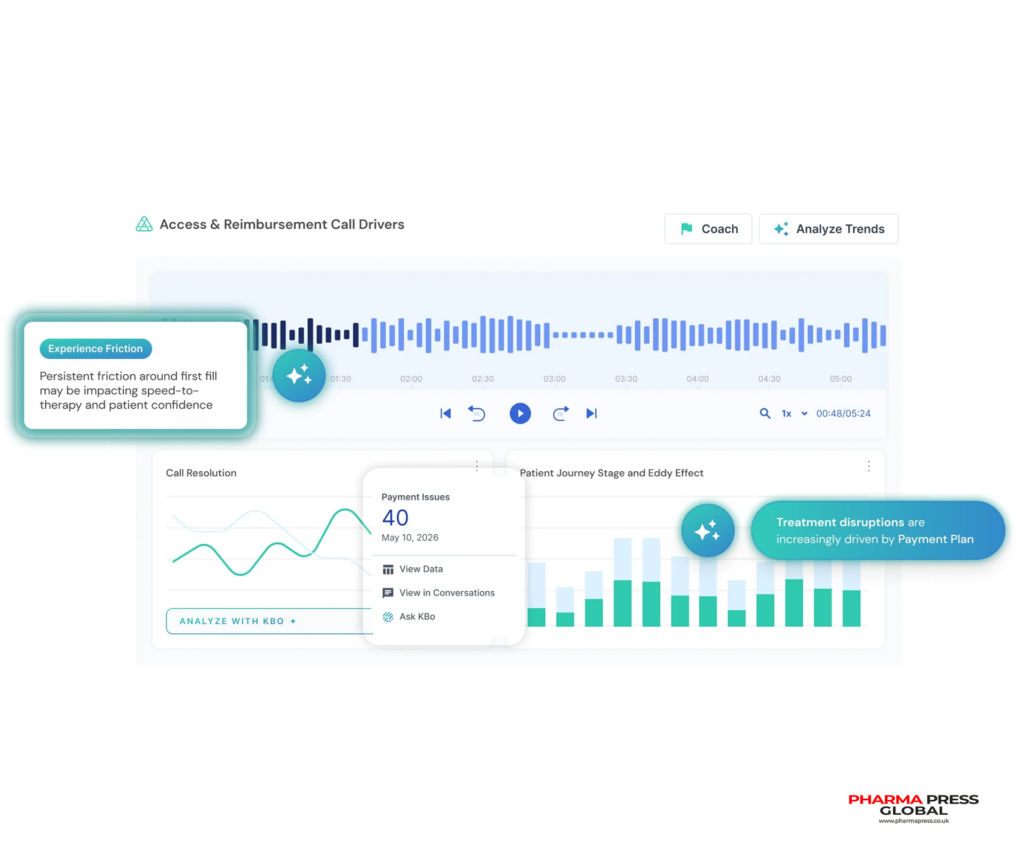
New Authenticx capabilities connect adverse-event detection in patient conversations with automated form population and delivery into a manufacturer’s existing safety workflow. Product screen is illustrative. All names, identifiers, and data shown are simulated.
The solution analyses interactions between pharmaceutical manufacturers’ patient services teams and the patients and providers they serve, including self-service chats and bots as well as calls routed through contact centres and hubs. It flags potential safety events across configured interactions, structures relevant conversation details and metadata for review and preserves transcript context. Manufacturers can configure a human checkpoint within Authenticx or route the record into their system of record for review. Trained pharmacovigilance professionals retain responsibility for case qualification, reportability determinations and regulatory submissions.
Potential safety events often surface during routine patient-service conversations. Once a signal is identified, relevant details must be located, documented and routed across contact centre, patient services and pharmacovigilance teams. Manual review, data entry and handoffs can add time and inconsistency to regulated workflows. Federal regulations require applicants to promptly review adverse drug experience information received from any source, with serious and unexpected adverse drug experiences generally reportable within 15 calendar days of receipt.
Authenticx introduced its safety-event AI in 2024 to identify potential adverse events, product quality complaints and special situations in patient interactions, highlight relevant transcript language and route conversations for review. The expanded capabilities carry more of that work forward after detection, helping move the context from the original conversation into the manufacturer’s established safety workflow.